Unmasking the Agave Nectar and Diabetes Myth: Is It Really a Healthy Alternative?
The quest for healthier sugar alternatives has led many to believe that agave nectar is a safe haven, particularly for those managing diabetes. Marketed as a natural sweetener with a low glycemic index (GI), agave nectar has often been touted as a superior choice compared to table sugar. But scratch beneath the surface of clever marketing and you’ll find a more complex picture. Let's debunk the agave nectar and diabetes myth and explore whether this sweetener truly deserves its healthy reputation, or if it's just another sweet deception.
What is Agave Nectar?
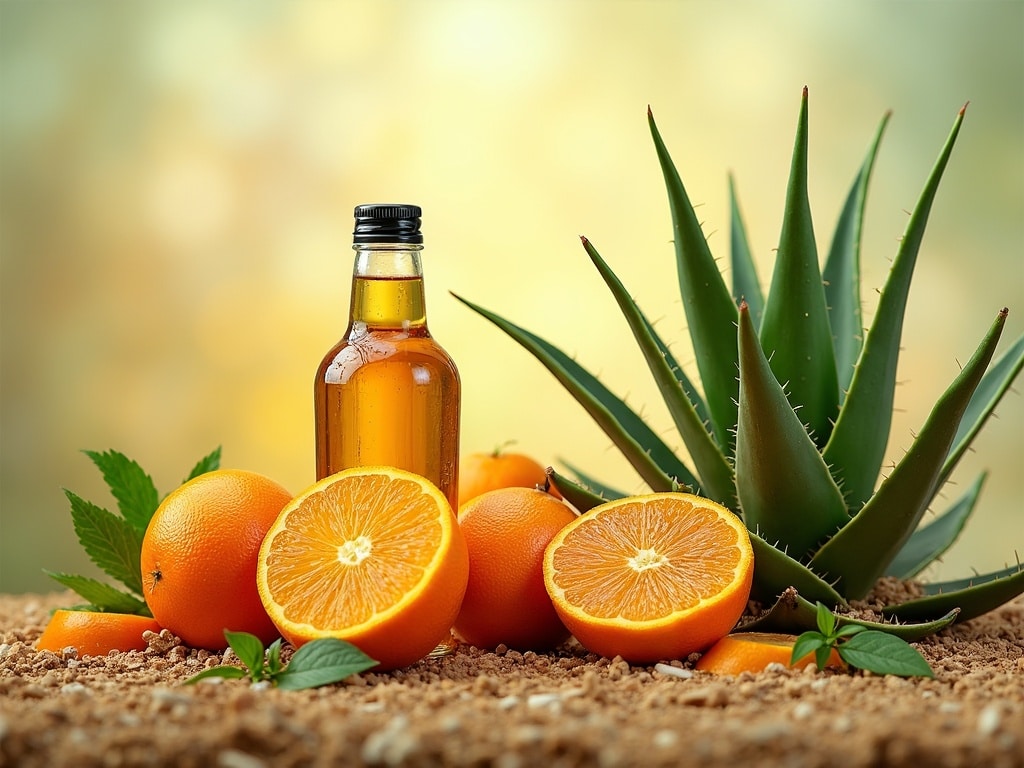
Agave nectar, also known as agave syrup, is a sweetener derived from the sap of the agave plant, the same plant used to make tequila. The production process involves filtering and heating the sap, breaking down complex carbohydrates into simple sugars. This process concentrates the fructose content, resulting in a syrup that is sweeter than table sugar.
The Appeal of a Low Glycemic Index
The glycemic index (GI) measures how quickly a food raises blood sugar levels. Agave nectar boasts a lower GI than table sugar, which is a significant part of its appeal, especially for people with diabetes. Why? Because foods with a lower GI cause a slower, more gradual rise in blood sugar, potentially making them easier to manage.
Why the Low GI Doesn't Tell the Whole Story
While the low GI of agave nectar seems promising, it's crucial to understand the bigger picture. The GI is only one piece of the puzzle when evaluating a sweetener's impact on health. Here's why:
- Fructose Overload: Agave nectar is predominantly composed of fructose, often ranging from 70% to 90%. While fructose doesn't cause a rapid spike in blood sugar, it's metabolized differently than glucose (the primary sugar in table sugar).
- Liver Metabolism: Fructose is primarily metabolized in the liver. Excessive fructose consumption can potentially overwhelm the liver, leading to a condition called non-alcoholic fatty liver disease (NAFLD).
- Insulin Resistance: Some studies suggest that high fructose intake can contribute to insulin resistance over time. Insulin resistance occurs when the body's cells become less responsive to insulin, requiring more insulin to achieve the same effect. This can eventually lead to type 2 diabetes.
- Triglyceride Levels: High fructose consumption can also raise triglyceride levels in the blood. Elevated triglycerides are a risk factor for heart disease.
Agave Nectar vs. Table Sugar: A Head-to-Head Comparison
Let's break down the key differences between agave nectar and table sugar:
| Feature | Agave Nectar | Table Sugar (Sucrose) |
|---|---|---|
| Glycemic Index (GI) | Lower (around 30) | Higher (around 65) |
| Fructose Content | 70-90% | 50% |
| Glucose Content | 10-30% | 50% |
| Potential Health Concerns | High fructose content, potential liver issues, insulin resistance, increased triglycerides. | Rapid blood sugar spikes, empty calories. |
As you can see, while agave nectar wins on the GI front, its high fructose content raises other concerns that shouldn't be ignored.
The Impact of High Fructose Consumption
The modern diet is already laden with fructose, thanks to the prevalence of high-fructose corn syrup (HFCS) in processed foods and beverages. Adding agave nectar to the mix can further exacerbate the potential negative effects of excessive fructose intake, including:
- Weight Gain: Fructose doesn't stimulate the same satiety signals as glucose, potentially leading to overconsumption and weight gain.
- Metabolic Syndrome: High fructose intake has been linked to metabolic syndrome, a cluster of conditions that increase the risk of heart disease, stroke, and type 2 diabetes.
- Inflammation: Some research suggests that high fructose consumption may contribute to inflammation in the body.

Debunking Common Myths About Agave Nectar
Let's dispel some common misconceptions surrounding agave nectar:
- Myth #1: Agave nectar is a natural and healthy sweetener. While it's derived from a plant, the refining process can strip away potential nutrients, leaving behind primarily fructose. The high concentration of fructose and its potential metabolic effects make it questionable as a truly healthy option.
- Myth #2: Agave nectar is safe for diabetics because of its low GI. While the low GI is a benefit, the high fructose content can still pose risks to blood sugar management and overall metabolic health in the long run.
- Myth #3: Agave nectar is better than high-fructose corn syrup (HFCS). Both are high in fructose, so neither is inherently superior. It's best to limit intake of both sweeteners.
What the Experts Say
Registered dietitians and endocrinologists generally advise caution when it comes to agave nectar. Many recommend focusing on a balanced diet with whole, unprocessed foods and limiting all added sugars, including agave nectar. Some experts point out the concerning research linking high fructose intake to various health problems and advocate for more moderate sweetener choices. For more information on healthy eating habits, consider exploring resources like this: American Diabetes Association.
Healthier Alternatives to Agave Nectar
If you're looking for healthier sweetener options for managing diabetes or simply reducing your sugar intake, consider these alternatives:
- Stevia: A natural, zero-calorie sweetener derived from the stevia plant. It doesn't raise blood sugar levels.
- Monk Fruit: Another natural, zero-calorie sweetener that's extracted from monk fruit. It's also considered safe for people with diabetes.
- Erythritol: A sugar alcohol that's naturally found in some fruits. It has a very low GI and minimal impact on blood sugar.
- Allulose: A rare sugar that's naturally found in some foods. It has a negligible effect on blood sugar and may even have some health benefits.
- Small Amounts of Honey or Maple Syrup: While these options contain fructose and glucose, using them sparingly can be a reasonable approach for some individuals. Just be mindful of portion sizes.
Tips for Managing Sweet Cravings with Diabetes
Managing diabetes effectively involves more than just choosing the right sweetener. Here are some tips for curbing sweet cravings and maintaining stable blood sugar levels:
- Focus on whole, unprocessed foods: A diet rich in fruits, vegetables, whole grains, and lean protein will naturally reduce your cravings for sugary treats.
- Read food labels carefully: Be aware of added sugars in processed foods and beverages.
- Plan your meals and snacks: This can help you avoid impulsive decisions and make healthier choices.
- Get enough sleep: Sleep deprivation can increase cravings for sugary foods.
- Manage stress: Stress can also trigger cravings. Find healthy ways to cope with stress, such as exercise or meditation.
- Consult with a registered dietitian or certified diabetes educator: They can provide personalized guidance on meal planning and blood sugar management.
The Bottom Line: Moderation is Key
The agave nectar and diabetes myth highlights the importance of looking beyond marketing claims and understanding the science behind different sweeteners. While agave nectar may have a lower GI than table sugar, its high fructose content raises concerns about liver health, insulin resistance, and triglyceride levels. For people with diabetes, and anyone seeking a healthier lifestyle, moderation is key. Opting for natural, low-calorie sweeteners or simply reducing overall sugar intake are wiser choices for long-term health and well-being. Remember, the sweetest victory is taking charge of your health through informed decisions and a balanced lifestyle.