
The Best Diet for Prediabetes and High Blood Pressure: A Comprehensive Guide
Imagine your body as a finely tuned engine. Prediabetes and high blood pressure are like warning lights on the dashboard, signaling potential trouble ahead. But what if you could dim those lights, not with medication alone, but with the fuel you choose to put in the tank? The right diet can be a powerful tool in managing both conditions, paving the way for a healthier, more vibrant you. This guide will walk you through the essentials of crafting the best diet for prediabetes and high blood pressure, translating complex science into practical, actionable steps.
Understanding the Connection
Before diving into specific foods, it's crucial to understand how prediabetes and high blood pressure are intertwined. Prediabetes, characterized by higher-than-normal blood sugar levels, often precedes type 2 diabetes. High blood pressure, or hypertension, puts extra strain on your heart and blood vessels. Both conditions share common risk factors, including insulin resistance, obesity, and inflammation. This means that dietary strategies that benefit one condition often benefit the other.
- Insulin Resistance: When your cells become resistant to insulin, your pancreas has to work harder to produce more, leading to elevated blood sugar and potentially contributing to high blood pressure.
- Obesity: Excess weight, particularly around the abdomen, increases the risk of both prediabetes and high blood pressure.
- Inflammation: Chronic inflammation plays a role in the development of both conditions.
The Cornerstone: A Whole-Foods Approach
The foundation of any effective diet for prediabetes and high blood pressure is a focus on whole, unprocessed foods. This means prioritizing fruits, vegetables, whole grains, lean proteins, and healthy fats. Think of filling your plate with foods that are as close to their natural state as possible.
The Power of Fruits and Vegetables
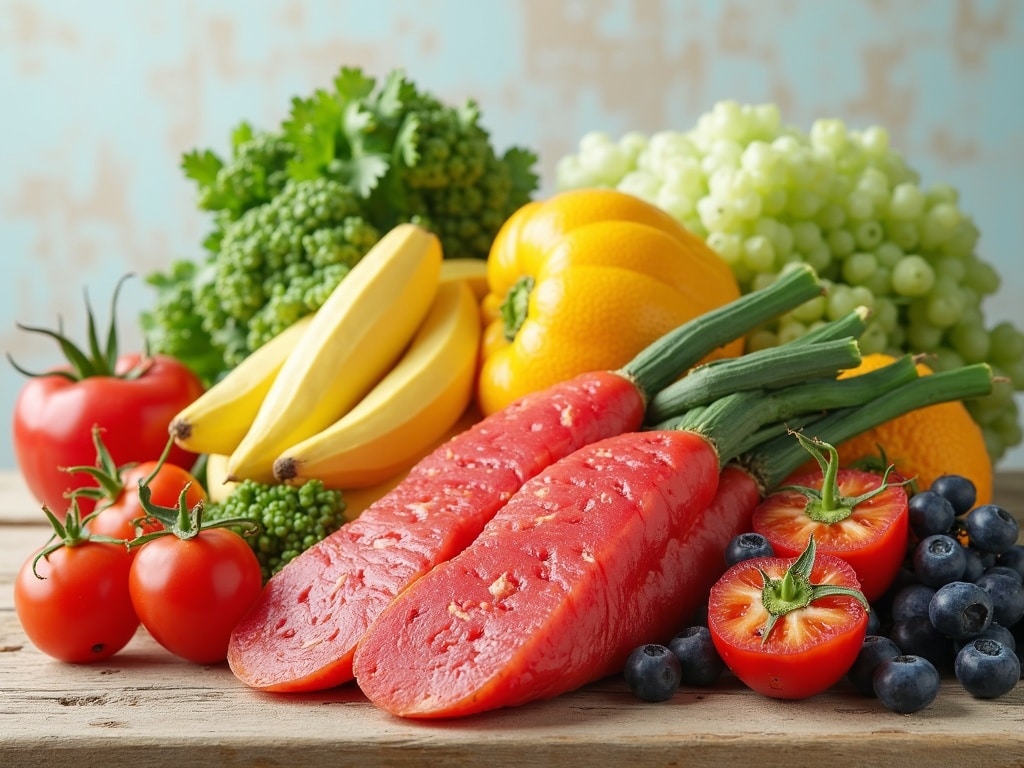
Non-starchy vegetables like leafy greens, broccoli, cauliflower, and bell peppers are nutritional powerhouses. They are low in calories and carbohydrates but packed with vitamins, minerals, and fiber. Fruits, while containing natural sugars, also provide essential nutrients and fiber. Opt for whole fruits over fruit juices, which often lack fiber and contain added sugars. Berries, in particular, are rich in antioxidants and have a lower glycemic impact than many other fruits.
Choosing the Right Carbohydrates
Not all carbohydrates are created equal. Refined carbohydrates, such as white bread, pasta, and sugary drinks, cause rapid spikes in blood sugar and can contribute to insulin resistance. Instead, focus on whole grains like brown rice, quinoa, oats, and whole-wheat bread. These foods are digested more slowly, leading to a more gradual rise in blood sugar and providing sustained energy.
Lean Proteins: Building Blocks for Health
Protein is essential for building and repairing tissues, and it also helps to keep you feeling full and satisfied. Choose lean protein sources such as chicken breast, fish, beans, lentils, and tofu. Limit red meat and processed meats, which are often high in saturated fat and sodium.
Healthy Fats: Essential for Heart Health
Don't be afraid of fats! Healthy fats, such as those found in avocados, nuts, seeds, and olive oil, are crucial for heart health and overall well-being. These fats help to improve cholesterol levels, reduce inflammation, and support brain function. Avoid trans fats, which are found in many processed foods and can significantly increase your risk of heart disease.
Dietary Approaches: Specific Plans to Consider
Several dietary approaches have been shown to be effective in managing prediabetes and high blood pressure. Here are three of the most well-researched and recommended options:
The DASH Diet (Dietary Approaches to Stop Hypertension)
The DASH diet is specifically designed to lower blood pressure. It emphasizes fruits, vegetables, whole grains, lean protein, and low-fat dairy. It also limits sodium, saturated fat, and cholesterol. The DASH diet is not just about what you eat; it's also about portion sizes. Eating appropriate portions helps to manage calorie intake and maintain a healthy weight.
Key Principles of the DASH Diet:
- High in fruits, vegetables, and low-fat dairy
- Limited in saturated and trans fats
- Rich in potassium, magnesium, and calcium
- Low in sodium (aim for less than 2,300 mg per day, and ideally less than 1,500 mg per day)
The Mediterranean Diet
The Mediterranean diet is based on the traditional eating patterns of people living in the Mediterranean region. It is rich in fruits, vegetables, whole grains, legumes, nuts, seeds, and olive oil. Fish and poultry are consumed in moderation, while red meat is limited. The Mediterranean diet is associated with a reduced risk of heart disease, stroke, type 2 diabetes, and certain types of cancer.
Key Principles of the Mediterranean Diet:
- Emphasis on plant-based foods
- Use of olive oil as the primary source of fat
- Moderate consumption of fish and poultry
- Limited consumption of red meat
- Regular physical activity
- Shared meals with family and friends
The Low-Carbohydrate Diet (with Caution)
Low-carbohydrate diets can be effective for weight loss and blood sugar control, but they should be approached with caution, especially if you have high blood pressure. It's crucial to choose healthy sources of carbohydrates, such as non-starchy vegetables and whole grains, and to avoid excessive consumption of saturated fat. Consulting with a healthcare professional or registered dietitian is highly recommended before starting a low-carbohydrate diet, particularly if you are on medication for high blood pressure or diabetes. One resource for finding registered dietitians is the Academy of Nutrition and Dietetics: [externalLink insert]
Key Considerations for Low-Carbohydrate Diets:
- Focus on non-starchy vegetables and healthy fats
- Choose whole grains in moderation
- Monitor blood sugar and blood pressure levels closely
- Consult with a healthcare professional or registered dietitian
Foods to Limit or Avoid
Certain foods can sabotage your efforts to manage prediabetes and high blood pressure. It's important to limit or avoid the following:
- Sugary Drinks: Sodas, juices, and sweetened beverages are high in sugar and calories and can lead to weight gain and insulin resistance.
- Processed Foods: These foods are often high in sodium, unhealthy fats, and added sugars.
- Refined Grains: White bread, pasta, and white rice are quickly digested and can cause rapid spikes in blood sugar.
- Saturated and Trans Fats: These fats can raise cholesterol levels and increase the risk of heart disease. Found in fatty meats, fried foods, and many processed foods.
- Excess Sodium: High sodium intake can raise blood pressure. Aim for less than 2,300 mg per day, and ideally less than 1,500 mg per day. Be mindful of hidden sodium in processed foods.
Practical Tips for Success
Implementing dietary changes can be challenging, but here are some practical tips to help you succeed:
- Start Gradually: Make small, gradual changes to your diet rather than trying to overhaul everything at once.
- Plan Your Meals: Planning your meals in advance can help you make healthier choices and avoid impulsive decisions.
- Read Food Labels: Pay attention to serving sizes, calories, and the amounts of sugar, sodium, and fat in processed foods.
- Cook at Home: Cooking at home allows you to control the ingredients and portion sizes in your meals.
- Find Healthy Substitutions: Swap out unhealthy ingredients for healthier alternatives. For example, use olive oil instead of butter, or choose whole-wheat bread instead of white bread.
- Stay Hydrated: Drink plenty of water throughout the day.
- Get Support: Enlist the support of family, friends, or a registered dietitian to help you stay motivated and on track.
- Monitor Your Progress: Regularly monitor your blood sugar and blood pressure levels to track your progress and make adjustments to your diet as needed.
- Be Patient: It takes time to see results, so be patient and persistent with your efforts.
The Long-Term View
Managing prediabetes and high blood pressure through diet is not a quick fix; it's a long-term commitment to a healthier lifestyle. By making sustainable changes to your eating habits, you can significantly improve your health, reduce your risk of complications, and enjoy a better quality of life. Remember to consult with your healthcare provider or a registered dietitian to create a personalized plan that is right for you. Embrace the journey, celebrate your successes, and never stop learning about how food can be your most powerful medicine.