Dive into Wellness: How Swimming Can Help Manage Prediabetes
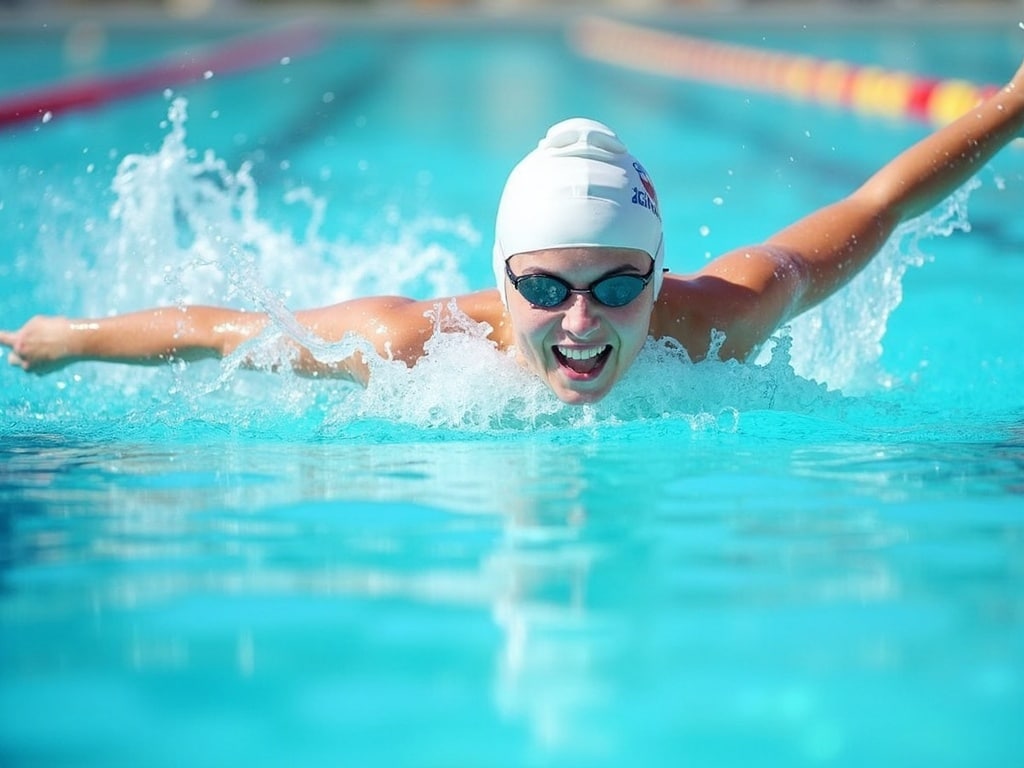
Imagine gliding through cool water, the gentle resistance working every muscle. Now, picture this simple pleasure as a powerful tool in your fight against prediabetes. Swimming isn't just a refreshing pastime; it's a potent exercise with remarkable benefits for those at risk of developing type 2 diabetes. If you're navigating the prediabetes landscape, keep reading — you might just find that the pool is your new best friend.
Understanding Prediabetes and Its Challenges
Prediabetes is a condition where your blood sugar levels are higher than normal, but not high enough to be classified as type 2 diabetes. Think of it as a warning sign, a nudge from your body telling you to make some changes. If left unaddressed, prediabetes often progresses to type 2 diabetes, which comes with a host of potential complications like heart disease, nerve damage, and kidney problems.
The core challenge of prediabetes lies in insulin resistance. Insulin, a hormone produced by your pancreas, acts like a key, unlocking your cells to allow glucose (sugar) from your blood to enter and be used for energy. When you're insulin resistant, your cells don't respond well to insulin, causing glucose to build up in your bloodstream. Your pancreas tries to compensate by producing more insulin, but eventually, it can't keep up, leading to elevated blood sugar levels.
Why Lifestyle Changes Matter
The good news is that prediabetes is often reversible through lifestyle changes. Diet and exercise are the cornerstones of managing and even reversing prediabetes. Losing even a modest amount of weight (5-7% of your body weight) and engaging in regular physical activity can make a significant difference.
The Power of Swimming: A Low-Impact, High-Reward Exercise
Enter swimming: a fantastic exercise with unique advantages for people with prediabetes. Unlike high-impact activities like running, swimming is gentle on your joints, making it ideal if you have arthritis, are overweight, or simply prefer a less strenuous workout. But don't let the gentle nature fool you; swimming is a full-body workout that can burn serious calories and improve your overall fitness.
Benefits of Swimming for Prediabetes
- Improved Insulin Sensitivity: Swimming helps your body use insulin more effectively, reducing insulin resistance and lowering blood sugar levels.
- Weight Management: Swimming burns calories, aiding in weight loss or maintenance, a crucial factor in managing prediabetes.
- Cardiovascular Health: Swimming strengthens your heart and improves circulation, reducing your risk of heart disease, a common complication of diabetes.
- Stress Reduction: Swimming can be a meditative and relaxing activity, helping to reduce stress, which can negatively impact blood sugar levels.
- Joint-Friendly Exercise: The buoyancy of water supports your body weight, minimizing stress on your joints, making swimming accessible to people of all ages and fitness levels.
- Muscle Strengthening: Swimming engages multiple muscle groups, increasing lean muscle mass, which helps improve metabolism and insulin sensitivity.
How Swimming Impacts Blood Sugar Levels
When you swim, your muscles demand energy. To meet this demand, your body taps into its glucose stores. Regular swimming sessions help your body become more efficient at utilizing glucose, leading to lower blood sugar levels over time. Moreover, consistent exercise improves insulin sensitivity, allowing your cells to respond better to insulin and take up glucose from the bloodstream.
Studies have shown that regular aerobic exercise, like swimming, can significantly reduce the risk of developing type 2 diabetes in people with prediabetes. The key is consistency. Aim for regular swim sessions to reap the full benefits.
Getting Started with Swimming for Prediabetes
Before diving in (literally!), here are a few tips to help you get started safely and effectively:
Consult Your Doctor
Before starting any new exercise program, especially if you have prediabetes or other health conditions, it's essential to talk to your doctor. They can assess your overall health, discuss any potential risks, and provide personalized recommendations.
Start Slowly and Gradually Increase Intensity
If you're new to swimming, don't try to do too much too soon. Begin with short sessions and gradually increase the duration and intensity as you get fitter. Start with 15-20 minutes of swimming and gradually increase to 30-60 minutes most days of the week.
Choose a Swimming Style That Suits You
There are several swimming strokes to choose from, including freestyle, backstroke, breaststroke, and butterfly. Freestyle is often the easiest for beginners, but experiment and find the stroke that feels most comfortable for you. You can also mix up your strokes to work different muscle groups.
Focus on Proper Technique
Proper swimming technique not only makes you more efficient but also reduces the risk of injury. Consider taking a swimming lesson or two to learn the basics of good form. A qualified swimming instructor can provide personalized feedback and help you improve your technique.
Listen to Your Body
Pay attention to your body and don't push yourself too hard, especially when you're just starting. If you experience any pain, stop swimming and rest. As you get fitter, you can gradually increase the intensity and duration of your workouts.
Stay Hydrated
Even though you're in the water, it's important to stay hydrated. Drink plenty of water before, during, and after your swim.
Monitor Your Blood Sugar Levels
If you have prediabetes, it's important to monitor your blood sugar levels regularly, especially when you start a new exercise program. This will help you understand how swimming affects your blood sugar and make adjustments as needed. Talk to your doctor about how often you should check your blood sugar.
Sample Swimming Workouts for Prediabetes
Here are a few sample swimming workouts to get you started. Remember to adjust the duration and intensity based on your fitness level.
Beginner Workout
- Warm-up: 5 minutes of gentle swimming or walking in the water.
- Main set: 10-15 minutes of freestyle swimming at a comfortable pace.
- Cool-down: 5 minutes of gentle swimming or stretching in the water.
Intermediate Workout
- Warm-up: 5 minutes of swimming, alternating freestyle and backstroke.
- Main set: 20-30 minutes of interval swimming, alternating between faster and slower paces. For example, swim one lap fast, then one lap at a moderate pace.
- Cool-down: 5 minutes of gentle swimming and stretching.
Advanced Workout
- Warm-up: 10 minutes of swimming, including various strokes and drills.
- Main set: 30-45 minutes of interval swimming with challenging sets, such as:
- Pyramid sets (increasing and then decreasing distance)
- Sprint intervals with short rest periods
- Drill work focusing on technique
- Cool-down: 10 minutes of gentle swimming and recovery stretches.
Beyond the Pool: Complementary Lifestyle Strategies
While swimming is a fantastic exercise for prediabetes, it's most effective when combined with other healthy lifestyle choices.
Dietary Changes
Focus on a balanced diet rich in fruits, vegetables, whole grains, and lean protein. Limit your intake of processed foods, sugary drinks, and unhealthy fats. Work with a registered dietitian to develop a meal plan that meets your individual needs and preferences.
Stress Management
Chronic stress can negatively impact blood sugar levels. Find healthy ways to manage stress, such as yoga, meditation, spending time in nature, or engaging in hobbies you enjoy.
Sufficient Sleep
Lack of sleep can also affect blood sugar control. Aim for 7-8 hours of quality sleep each night.
Swimming Your Way to a Healthier Future
Swimming offers a refreshing and effective way to manage prediabetes and improve your overall health. By incorporating regular swim sessions into your routine and adopting other healthy lifestyle choices, you can take control of your health and reduce your risk of developing type 2 diabetes. So, grab your swimsuit, head to the pool, and dive into a healthier future!
Prediabetes doesn't have to be a life sentence. With the right approach, you can turn the tide and create a healthier, more vibrant you, one stroke at a time. The water is waiting – are you ready to take the plunge?