
Blood Glucose Meter Accuracy Comparison: Finding the Right Fit for You
Imagine this: You're meticulously managing your diabetes, carefully watching your diet, exercising regularly, and diligently testing your blood glucose levels. But what if the numbers staring back at you from your meter aren't quite right? Inaccurate blood glucose readings can throw your entire management plan off course, leading to unnecessary anxiety, incorrect medication adjustments, and potentially serious health consequences. That's why understanding blood glucose meter accuracy is absolutely crucial. Let's dive into the world of glucose meters and explore how to find one that you can truly rely on.
Why Blood Glucose Meter Accuracy Matters
The accuracy of your blood glucose meter directly impacts your ability to make informed decisions about your health. These decisions include:
- Medication Dosage: Insulin and other diabetes medications are carefully dosed based on blood glucose levels. Inaccurate readings can lead to administering too much or too little medication, resulting in hypoglycemia (low blood sugar) or hyperglycemia (high blood sugar).
- Dietary Choices: The food you eat significantly affects your blood glucose levels. Reliable meter readings help you understand how different foods impact your body, allowing you to make better dietary choices.
- Exercise Planning: Physical activity can lower blood glucose levels. Accurate readings help you determine if you need to adjust your insulin dosage or consume carbohydrates before, during, or after exercise.
- Overall Diabetes Management: Consistent and trustworthy blood glucose data is essential for tracking trends, identifying patterns, and making informed decisions about your overall diabetes care plan.
A meter that consistently provides inaccurate readings is worse than useless; it's actively harmful. It can undermine your efforts to manage your diabetes and put your health at risk.
Understanding Blood Glucose Meter Accuracy Standards
So, how do you determine if a blood glucose meter is accurate? The International Organization for Standardization (ISO) sets standards for blood glucose monitoring systems. The current standard, ISO 15197:2015, outlines acceptable accuracy limits. According to this standard, a blood glucose meter should meet the following criteria in a clinical laboratory setting:
- At least 95% of readings must fall within ±15 mg/dL of the reference measurement for blood glucose concentrations below 100 mg/dL.
- At least 95% of readings must fall within ±15% of the reference measurement for blood glucose concentrations at or above 100 mg/dL.
While this standard provides a benchmark for accuracy, it's essential to remember that real-world performance can vary. Factors like user technique, environmental conditions, and meter calibration can all influence the accuracy of blood glucose readings. It’s also important to recognize that no meter is perfectly accurate 100% of the time.
Factors Affecting Blood Glucose Meter Accuracy
Several factors can influence the accuracy of your blood glucose meter readings. Understanding these factors can help you minimize errors and ensure you get the most reliable results possible.
User Technique
Hand Hygiene: Always wash and dry your hands thoroughly before testing. Food residue, lotion, or other substances on your fingers can contaminate the sample and affect the reading.
Sample Size: Use an adequate blood sample size as indicated by the meter's instructions. Insufficient blood may lead to inaccurate results or error messages.
Proper Lancing Technique: Use the lancing device correctly to obtain a sufficient blood droplet without excessive squeezing, which can dilute the sample with tissue fluid.
Strip Handling: Handle test strips with clean, dry hands. Avoid bending or damaging the strips. Ensure the test strip is fully inserted into the meter before applying the blood sample.
Environmental Conditions
Temperature and Humidity: Extreme temperatures and humidity can affect the performance of test strips and the meter itself. Store test strips in a cool, dry place as recommended by the manufacturer.
Altitude: High altitudes can sometimes affect blood glucose meter readings. Consult the manufacturer's instructions or your healthcare provider if you live at a high altitude.
Meter and Strip Issues
Expired Test Strips: Always check the expiration date on your test strip vial before using them. Expired strips can produce inaccurate results.
Damaged Test Strips: Discard any damaged or discolored test strips.
Meter Calibration: Some meters require calibration using a control solution. Follow the manufacturer's instructions for calibration to ensure accurate readings.
Meter Maintenance: Keep your meter clean and free of dust and debris. Follow the manufacturer's instructions for cleaning and maintenance.
Physiological Factors
Hydration Level: Dehydration can affect blood glucose readings. Staying adequately hydrated is important for overall health and accurate blood glucose monitoring.
Hematocrit: Hematocrit (the percentage of red blood cells in your blood) can influence blood glucose meter accuracy. Some meters are less sensitive to hematocrit variations than others. Discuss this with your healthcare provider if you have concerns.
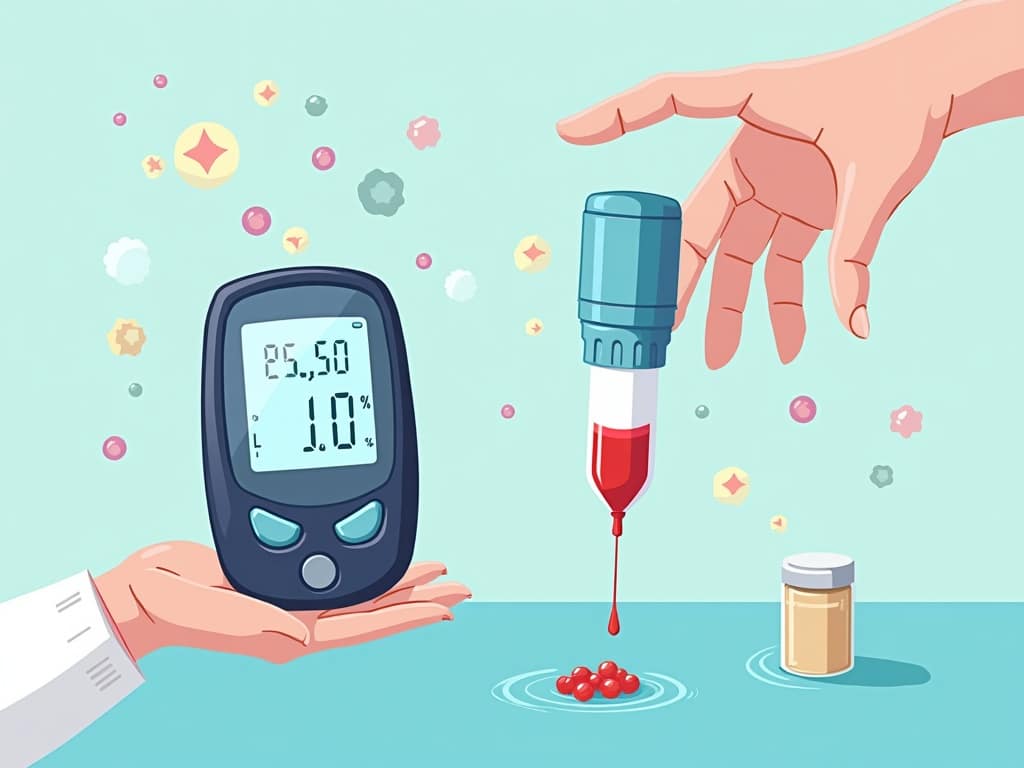
Blood Glucose Meter Accuracy Comparison: Key Considerations
When comparing blood glucose meters for accuracy, consider the following factors:
- Clinical Studies: Look for meters that have been evaluated in independent clinical studies. These studies can provide valuable information about the meter's accuracy and reliability in real-world settings.
- User Reviews: Read user reviews to get insights into the experiences of other people with diabetes. Pay attention to comments about accuracy, ease of use, and reliability.
- Features and Functionality: Consider the features that are important to you, such as memory capacity, data download capabilities, and ease of use.
- Cost: Compare the cost of the meter, test strips, and other supplies. Some meters may be more expensive upfront but offer lower long-term costs due to cheaper test strips.
- Talk to Your Healthcare Provider: Your healthcare provider can recommend a meter that is appropriate for your individual needs and provide guidance on proper testing technique.
Tips for Ensuring Accurate Blood Glucose Readings
Beyond choosing an accurate meter, there are several steps you can take to ensure you're getting the most reliable readings possible:
Read the Meter's User Manual: Familiarize yourself with the meter's instructions for use and troubleshooting.
Use Control Solutions Regularly: Use control solutions to check the accuracy of your meter and test strips, especially when you open a new vial of strips or suspect the meter may be malfunctioning.
Follow Proper Testing Technique: Adhere to the recommended testing technique, including hand hygiene, sample size, and strip handling.
Keep a Log of Your Readings: Track your blood glucose readings, along with other relevant information such as food intake, exercise, and medication dosages. This can help you identify patterns and troubleshoot any inconsistencies.
Discuss Any Concerns with Your Healthcare Provider: If you have concerns about the accuracy of your meter readings, discuss them with your healthcare provider. They can help you troubleshoot the issue and ensure you're getting the best possible care.
Specific Meters and Accuracy Data.
While it's impossible to definitively declare one meter the most accurate due to the variability of real-world conditions, here's how to approach researching specific models:
**Consult Professional Reviews:Websites specializing in diabetes technology often conduct in-depth reviews and comparisons, citing accuracy data when available.
**Look for Published Studies:Search medical databases like PubMed for studies evaluating the accuracy of specific blood glucose meters.
**Check Manufacturer Claims:While it's important to be discerning, review the manufacturer's claims about accuracy and the studies they cite to support those claims.
Remember that even the most accurate meter is only as good as the user's technique and adherence to proper procedures.
The Future of Blood Glucose Monitoring: CGM and Beyond
While this article focused on traditional blood glucose meters (SMBG), Continuous Glucose Monitors (CGMs) are rapidly changing diabetes management.
- CGMs vs. SMBG: CGMs provide continuous glucose readings throughout the day and night, eliminating the need for frequent fingersticks, whilst traditional Blood Glucose Meters (SMBG) require users to manually test their blood sugar levels by pricking their finger.
- Accuracy Considerations for CGMs: CGM accuracy is also crucial, and is typically assessed by looking at the Mean Absolute Relative Difference (MARD).
- The Future: Ongoing research is focused on improving CGM accuracy, developing non-invasive glucose monitoring technologies, and integrating glucose data with automated insulin delivery systems.
Making the Right Choice for Your Health
Choosing the right blood glucose meter is a personal decision that should be based on your individual needs and preferences. By understanding the factors that affect meter accuracy, comparing different models, and following proper testing techniques, you can find a meter that provides reliable readings and helps you effectively manage your diabetes. An accurate blood glucose meter is your partner in managing diabetes which will lead to better health outcomes.