Food Myths for People with Prediabetes: Separating Fact from Fiction
Imagine standing at the crossroads of health, your doctor telling you that your blood sugar is higher than normal, but not quite high enough to be diabetes. You're in the realm of prediabetes, a critical juncture where lifestyle choices, especially diet, can dramatically alter your future. But navigating the world of food feels like wading through a minefield of misinformation. Myths and misconceptions abound, clouding judgment and potentially leading to choices that worsen your condition. Fear not! We're here to debunk those insidious food myths, empowering you with the knowledge to make informed decisions and steer yourself towards a healthier path.
The Great Fruit Debate: Friend or Foe?
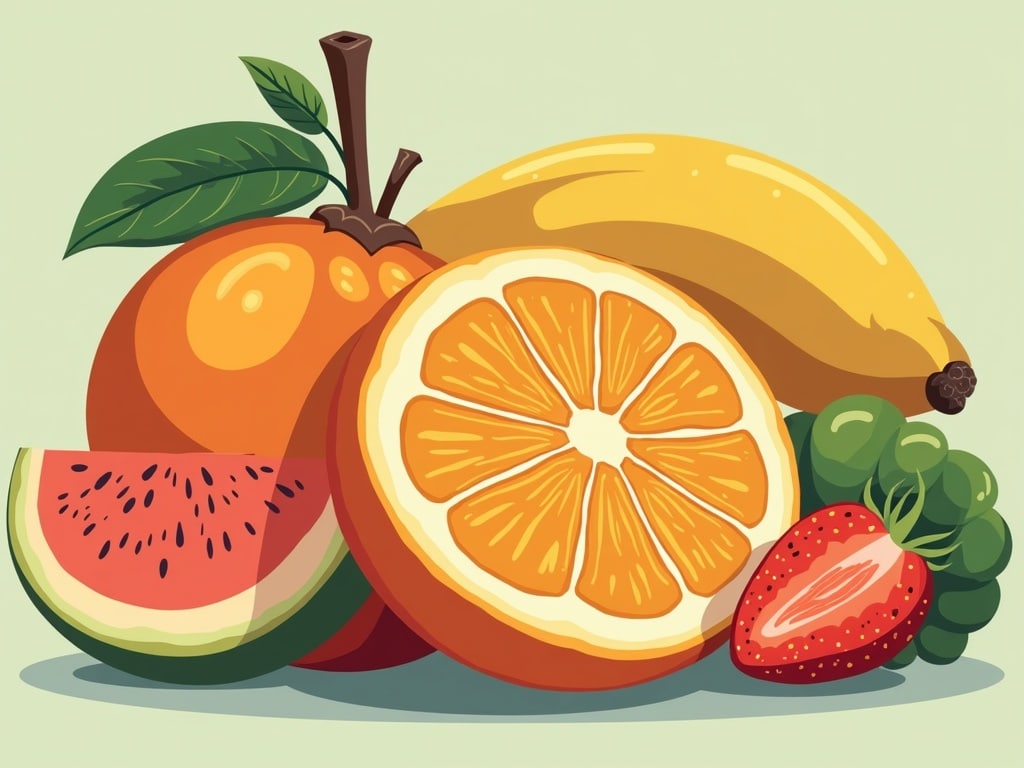
One of the most persistent myths is that fruit is off-limits for people with prediabetes. After all, fruit contains sugar, right? While it's true that fruit contains natural sugars (fructose), demonizing it entirely is a gross oversimplification. The reality is far more nuanced.
Myth: All Fruit is Bad for Prediabetes
This is a classic example of throwing the baby out with the bathwater. Different fruits have different glycemic indexes (GI) and glycemic loads (GL). The GI measures how quickly a food raises blood sugar levels, while the GL considers both the GI and the serving size.
Fact: Low-GI fruits like berries (strawberries, blueberries, raspberries), cherries, apples, pears, and grapefruit are generally good choices. These fruits release sugar into the bloodstream more slowly, preventing drastic spikes in blood sugar. Portion control, as with any food, is still key. Instead of a large glass of fruit juice, opt for a handful of berries.
Myth: Fruit Juice is a Healthy Substitute for Soda
Hold on a minute! While fruit juice might seem like a better option than sugary soda, it often lacks the fiber found in whole fruits. Fiber slows down sugar absorption, helping to keep blood sugar stable.
Fact: Many commercially available fruit juices are also loaded with added sugars, negating any potential health benefits. Stick to whole fruits whenever possible and, if you do drink juice, choose 100% pure juice in small quantities.
Carbohydrate Confusion: Not All Carbs Are Created Equal
Carbohydrates are a primary source of energy for the body, but they also have a significant impact on blood sugar levels. This has led to widespread confusion and the myth that all carbs are evil for those with prediabetes.
Myth: All Carbohydrates Should Be Avoided
Eliminating all carbs from your diet is not only unsustainable but also potentially harmful. The body needs carbohydrates for energy, and many healthy foods, like vegetables and whole grains, are carbohydrate-rich.
Fact: The key is to choose complex carbohydrates over simple carbohydrates. Complex carbs, found in whole grains, legumes, and non-starchy vegetables, are digested more slowly and have a gentler impact on blood sugar. Simple carbs, found in sugary drinks, pastries, and processed foods, are quickly absorbed, leading to rapid spikes.
Myth: White Bread is the Same as Whole Wheat Bread
This is a crucial distinction. White bread is made from refined flour, which has been stripped of its fiber and nutrients. Whole wheat bread, on the other hand, is made from the entire grain, including the bran, germ, and endosperm.
Fact: The fiber in whole wheat bread slows down sugar absorption, making it a better choice for blood sugar control. Look for breads that list 100% whole wheat as the first ingredient. Better yet, explore other whole grains like quinoa, brown rice, and oats.
The Protein Puzzle: More Isn't Always Better
Protein is essential for building and repairing tissues, and it plays a role in satiety (feeling full). However, the myth that you can eat unlimited amounts of protein without impacting blood sugar is misleading.
Myth: Eating Lots of Protein Will Prevent Blood Sugar Spikes
While protein has a minimal impact on blood sugar compared to carbohydrates, it's not entirely neutral. In excess, protein can be converted to glucose through a process called gluconeogenesis, potentially raising blood sugar levels, especially in individuals with prediabetes.
Fact: Focus on incorporating lean protein sources like fish, poultry, beans, lentils, and tofu into your diet in moderation. A balanced plate should include protein, healthy fats, and complex carbohydrates.
Myth: All Protein Sources Are Created Equal
The type of protein you choose matters. Processed meats, like bacon and sausage, are often high in saturated fat and sodium, which can increase the risk of heart disease, a common complication of diabetes. Similarly, fried foods are high in unhealthy fats that worsen insulin resistance. Therefore, you have to make smarter choices to get the best protein sources without added health risks.
Fact: Choose lean protein sources over processed or fried options. For example, bake or grill chicken breast instead of frying it. Opt for fish rich in omega-3 fatty acids like salmon and tuna.
Fat Fallacies: Dispelling the Fat-Free Frenzy
For years, fat was vilified as the enemy of health. This led to a proliferation of fat-free products, many of which were loaded with sugar and additives to compensate for the lack of flavor.
Myth: All Fats Are Bad for Prediabetes
This myth is particularly damaging. Healthy fats are essential for hormone production, cell function, and nutrient absorption. They also contribute to satiety, helping to keep you feeling full and satisfied.
Fact: Focus on incorporating healthy fats into your diet, such as those found in avocados, nuts, seeds, olive oil, and fatty fish. These fats can actually improve insulin sensitivity and reduce the risk of heart disease.
Myth: Fat-Free Always Means Healthy
As mentioned earlier, many fat-free products are loaded with added sugar, refined carbohydrates, and artificial sweeteners to improve their taste and texture. These ingredients can wreak havoc on blood sugar levels and contribute to weight gain. It is important to look at the whole picture before making a food choice based solely on its fat content.
Fact: Read food labels carefully and be wary of products that are marketed as fat-free but are high in sugar or other unhealthy ingredients. Prioritize whole, unprocessed foods over processed alternatives.
The Sweetener Swindle: Artificial vs. Natural
The desire to enjoy sweetness without the blood sugar spike has led to the widespread use of artificial and natural sweeteners. However, these alternatives are not without their own set of myths and controversies. Prediabetes, in reality, is more common than most people realize.
Myth: Artificial Sweeteners Are a Safe Way to Enjoy Sweets Without Raising Blood Sugar
While artificial sweeteners generally don't raise blood sugar levels directly, some studies suggest they may have other negative effects on health, such as altering gut bacteria and increasing cravings for sweet foods. The long-term effects of artificial sweetener consumption are still being studied.
Fact: Use artificial sweeteners sparingly. If you're looking for a natural alternative, consider stevia or monk fruit, which have minimal impact on blood sugar. However, even these sweeteners should be used in moderation.
Myth: Natural Sweeteners Like Honey and Maple Syrup Are Healthy Alternatives to Refined Sugar
While honey and maple syrup may contain some antioxidants and minerals, they are still forms of sugar and will raise blood sugar levels. They may be slightly better than refined sugar in terms of nutrient content, but they should still be consumed in moderation.
Fact: Treat honey and maple syrup as occasional treats rather than everyday staples. Use them sparingly to add flavor to dishes or beverages.
Putting It All Together: Creating a Prediabetes-Friendly Plate
Navigating the world of food with prediabetes doesn't have to be overwhelming. By debunking these common myths and focusing on whole, unprocessed foods, you can create a balanced and satisfying diet that helps you manage your blood sugar levels and prevent the progression to type 2 diabetes. Remember to consult with a registered dietitian or healthcare professional for personalized guidance.
Here are some key takeaways:
- Embrace fruits with low GI and GL in moderation.
- Choose complex carbohydrates over simple carbohydrates.
- Focus on lean protein sources and balanced portions.
- Incorporate healthy fats into your diet.
- Use sweeteners sparingly and prioritize whole, unprocessed foods.
Your journey to better health starts with informed choices. Say goodbye to these food myths and hello to a healthier, more empowered you!