
Sip Your Way to Balanced Blood Sugar: The Best Herbal Teas
Imagine a world where managing your blood sugar is as simple as enjoying a warm, comforting cup of tea. For centuries, traditional medicine has harnessed the power of herbs to promote health and well-being. Now, modern research is catching up, revealing that certain herbal teas can indeed play a supportive role in maintaining healthy blood sugar levels. If you’re looking for a natural and delicious way to complement your diabetes management plan, look no further than your teacup.
The Science Behind Herbal Tea and Blood Sugar
Before we dive into specific teas, let's understand the connection between herbs and blood sugar. Many herbs contain compounds that can influence glucose metabolism, insulin sensitivity, and inflammation – all key factors in regulating blood sugar. Some herbs may mimic insulin, helping to transport glucose into cells, while others can slow down the absorption of sugar in the digestive tract. It's important to note that herbal teas are not a replacement for prescribed medications or a healthy lifestyle, but they can be a valuable addition to your overall wellness strategy. Always consult your doctor before making significant changes to your diet or treatment plan.
Top Herbal Teas to Support Healthy Blood Sugar
Here are some of the best herbal teas, backed by research and traditional use, that may help you on your journey to balanced blood sugar.
1. Gymnema Sylvestre Tea: The Sugar Destroyer
Gymnema sylvestre, aptly nicknamed the sugar destroyer, has a long history in Ayurvedic medicine. Studies suggest that it may help reduce sugar cravings, improve insulin secretion, and regenerate pancreatic cells.
- How it Works: Gymnemic acids in the herb block sugar receptors on your taste buds, reducing the appeal of sweet foods. They may also stimulate insulin release from the pancreas.
- Brewing Instructions: Steep 1 teaspoon of dried Gymnema leaves in 1 cup of hot water for 5-10 minutes.
- Caution: May interact with diabetes medications, so monitor blood sugar closely and consult your healthcare provider.
2. Cinnamon Tea: Spice Up Your Blood Sugar Control
Cinnamon, a common household spice, boasts more than just a delicious flavor. Research indicates that cinnamon may improve insulin sensitivity and lower blood sugar levels after meals.
- How it Works: Cinnamon contains compounds that mimic insulin and enhance its effects. It may also increase glucose uptake by cells.
- Brewing Instructions: Add 1 cinnamon stick to 2 cups of water and simmer for 15-20 minutes. Alternatively, use 1/2 teaspoon of ground cinnamon per cup of hot water.
- Tip: Ceylon cinnamon (also known as true cinnamon) is generally considered safer for regular consumption than Cassia cinnamon.
3. Ginger Tea: A Zesty Ally
Ginger, known for its anti-inflammatory properties, may also play a role in blood sugar management. Studies have shown that ginger can improve insulin sensitivity and reduce fasting blood sugar levels.
- How it Works: Ginger contains gingerols, which have antioxidant and anti-inflammatory effects. These compounds may help improve insulin sensitivity and glucose metabolism.
- Brewing Instructions: Slice 1-2 inches of fresh ginger root and simmer in 2 cups of water for 10-15 minutes. You can also use ginger tea bags.
- Bonus: Ginger tea can also aid digestion and reduce nausea.
4. Green Tea: Antioxidant Powerhouse
Green tea is packed with antioxidants, particularly epigallocatechin gallate (EGCG), known for its numerous health benefits. Some studies suggest that green tea may improve insulin sensitivity and reduce the risk of type 2 diabetes.
- How it Works: EGCG in green tea may enhance insulin signaling and glucose uptake by cells. It also has anti-inflammatory effects.
- Brewing Instructions: Steep 1 teaspoon of green tea leaves in 1 cup of hot water (not boiling) for 2-3 minutes.
- Tip: Avoid adding milk to green tea, as it can interfere with the absorption of antioxidants.
5. Chamomile Tea: Relaxation and Blood Sugar Balance
Chamomile, known for its calming effects, might also have a positive impact on blood sugar. Some research suggests that chamomile tea may help lower blood sugar levels and improve insulin sensitivity.
- How it Works: Chamomile may have antioxidant and anti-inflammatory properties that contribute to improved glucose metabolism. It can also promote relaxation, which can indirectly benefit blood sugar control by reducing stress hormones.
- Brewing Instructions: Steep 2-3 tablespoons of dried chamomile flowers in 1 cup of hot water for 5-10 minutes.
- Enjoy: Perfect for a relaxing evening beverage.
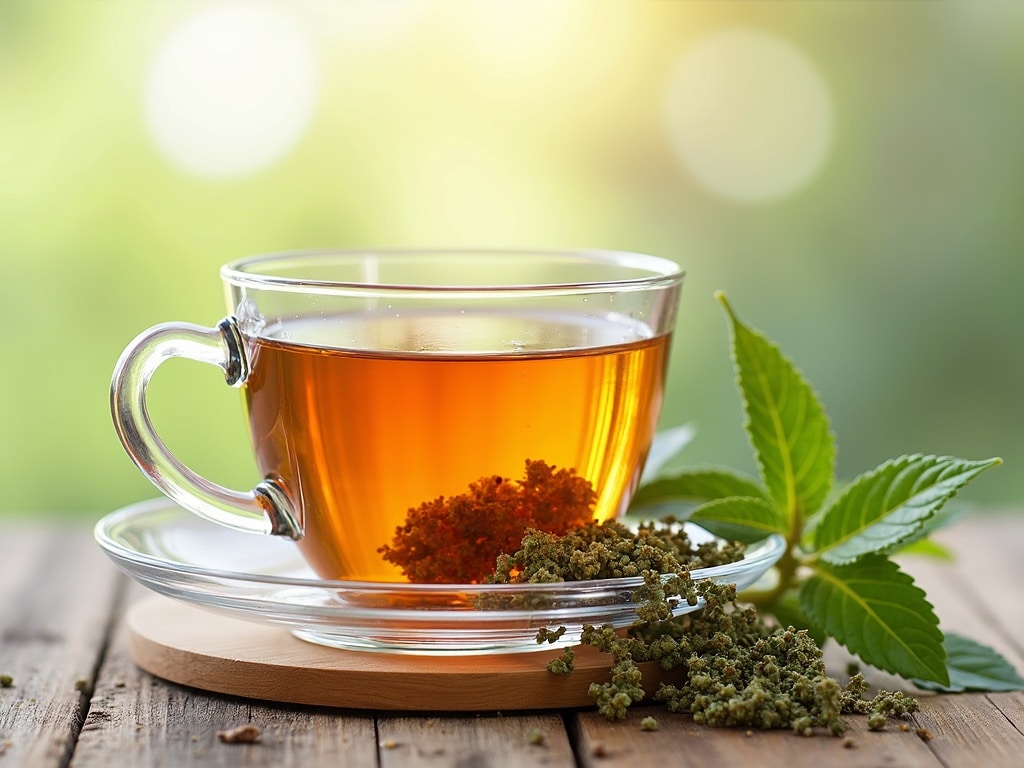
6. Hibiscus Tea: A Tart and Tangy Option
Hibiscus tea, made from the vibrant hibiscus flower, is not only refreshing but may also offer benefits for blood sugar management. Studies suggest that hibiscus tea can help lower blood pressure and improve insulin resistance. High blood pressure often coexists with elevated blood sugar, so this can be a valuable benefit.
- How it Works: Hibiscus contains antioxidants and may have anti-inflammatory effects. It can also improve blood vessel function and reduce insulin resistance.
- Brewing Instructions: Steep 1-2 teaspoons of dried hibiscus flowers in 1 cup of hot water for 5-10 minutes.
- Flavor Note: Hibiscus tea has a tart and slightly acidic flavor, so you may want to add a touch of honey or lemon.
7. Turmeric Tea: The Golden Elixir
Turmeric, a bright yellow spice widely used in Indian cuisine, contains curcumin, a powerful antioxidant and anti-inflammatory compound. Research suggests that curcumin may improve insulin sensitivity and lower blood sugar levels. Adding black pepper enhances absorption of the beneficial compounds.
- How it Works: Curcumin may improve insulin sensitivity, reduce inflammation, and protect pancreatic cells from damage.
- Brewing Instructions: Simmer 1 teaspoon of ground turmeric and a pinch of black pepper in 2 cups of water for 10-15 minutes. You can also use turmeric tea bags.
- Consider: Many people add ginger and lemon to turmeric tea for added flavor and benefits.
Important Considerations When Using Herbal Teas for Blood Sugar
While herbal teas can be a beneficial addition to your blood sugar management plan, it's crucial to approach them with caution and awareness.
Consult Your Healthcare Provider: Before incorporating herbal teas into your diet, especially if you have diabetes or are taking medications, consult your doctor or a registered dietitian. They can help you determine if these teas are safe for you and won't interact with your medications. It is also important to ensure that you get medical advice immediately if you feel worse or develop any new symptoms.
Monitor Your Blood Sugar: Regularly monitor your blood sugar levels to see how herbal teas affect you. This will help you understand if they are having a positive impact and adjust your tea consumption accordingly.
Choose High-Quality Teas: Opt for organic and reputable brands to ensure you're getting pure herbs without additives or contaminants.
Be Mindful of Dosage: Start with small amounts and gradually increase as tolerated. Pay attention to your body's response and adjust accordingly.
Not a Substitute for Medication: Herbal teas should not replace prescribed medications or a healthy lifestyle. They are a complementary approach to support your overall well-being.
Beyond the Teacup: A Holistic Approach to Blood Sugar Management
Remember, herbal teas are just one piece of the puzzle. To effectively manage your blood sugar, focus on a holistic approach that includes:
Balanced Diet: Consume a diet rich in whole foods, fruits, vegetables, and lean protein. [externalLink insert] Limit processed foods, sugary drinks, and refined carbohydrates.
Regular Exercise: Engage in regular physical activity to improve insulin sensitivity and promote weight management.
Stress Management: Practice stress-reducing techniques like yoga, meditation, or spending time in nature.
Adequate Sleep: Aim for 7-8 hours of quality sleep per night to support hormone balance and glucose metabolism.
Brewing the Perfect Cup: Tips for Maximizing Benefits
To get the most out of your herbal tea experience, follow these tips:
Use Filtered Water: This ensures the purest flavor and avoids potential contaminants.
Heat Water to the Right Temperature: Different teas require different water temperatures. Green tea, for example, should be brewed with hot, but not boiling, water.
Steep for the Recommended Time: Steeping for too long can result in a bitter taste, while steeping for too short a time may not extract all the beneficial compounds.
Enjoy Mindfully: Savor the aroma, flavor, and warmth of your tea. Take a few moments to relax and appreciate the experience.
The Takeaway: A Cup of Tea, a Step Towards Wellness
Managing blood sugar can feel like a complex challenge, but incorporating herbal teas into your routine can be a simple and enjoyable way to support your health. From the sugar-fighting power of Gymnema sylvestre to the antioxidant punch of green tea, there's a tea for every palate and purpose. Remember to consult your healthcare provider, monitor your blood sugar, and embrace a holistic approach to wellness. So, go ahead, brew yourself a cup of tea and take a step towards a healthier, happier you. Your well-being might just be a sip away.